Lead Paint Removal for Plano Heritage Homes

Typical cost in Plano

  • Small area, about 100 sq ft (stair rail, trim in one room)$750 – $1,700+
  • One room$1,400 – $4,000+
  • One-story house, peeling trim, eaves and siding$4,500 – $12,000+
  • Whole interior, typical house$6,500 – $15,000+

Plano Lead Paint Removal plans lead paint removal for heritage homes in Plano: the early-1900s and pre-1960 houses that make up a very small part of the city. The 2020-2024 American Community Survey counts about 1,700 Plano homes built before 1960, 1.4% of the total, and fewer than 300 from before 1940. Some stand in the Haggard Park Heritage District, which the city describes as primarily residential, with houses from the late 1800s to the early 1960s. On houses this old, lead paint may lie under several later coats on siding, porches, windows and interior woodwork.

Removing it permanently is abatement. In Texas that takes a firm and workers certified by DSHS, notice to the state before work begins, and a clearance check before the family moves back. We plan abatement on older houses in Plano and nearby cities, including Richardson and Garland.

Request a free quote
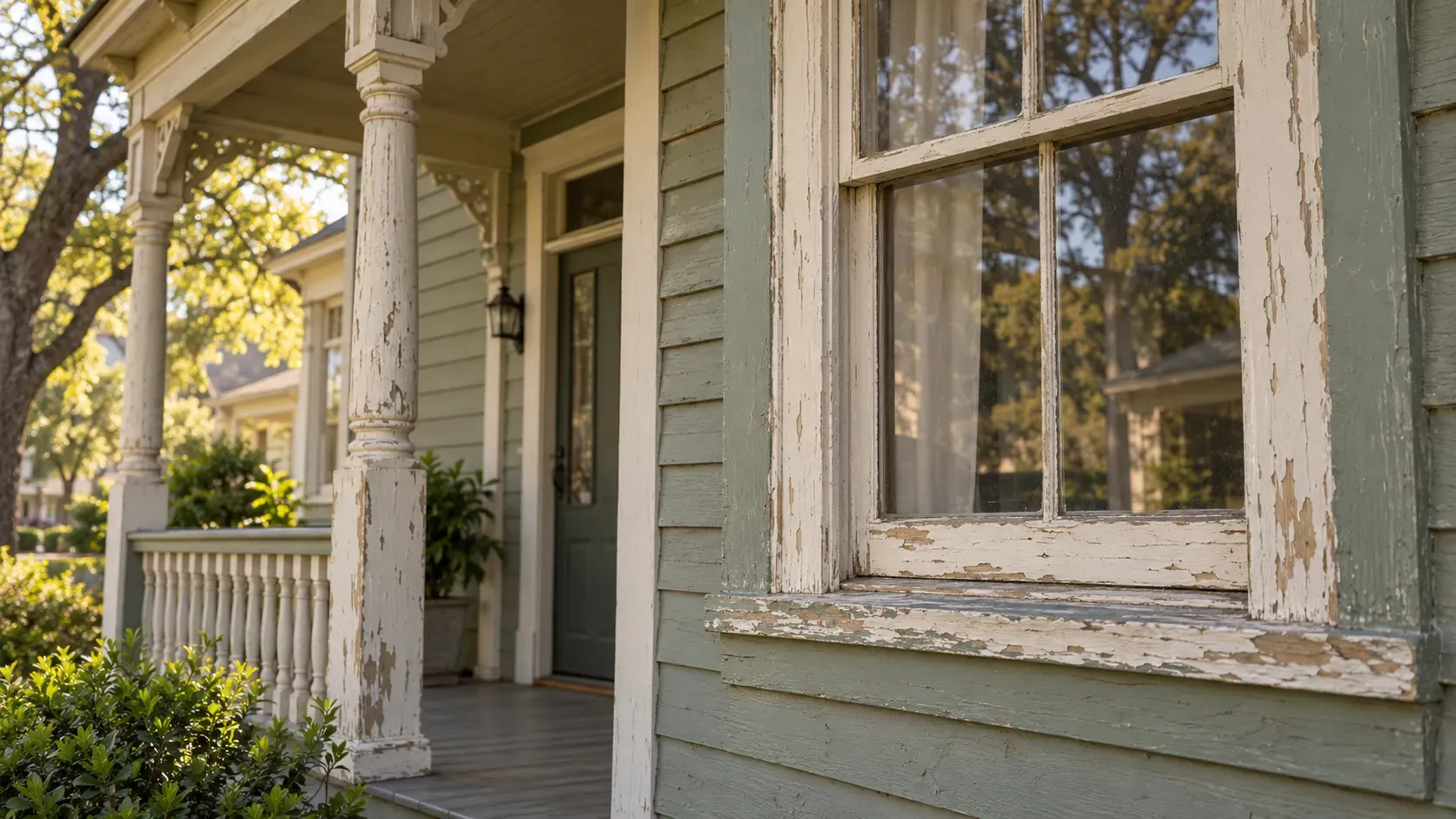
Older frame house porch with turned columns and a window sash and sill shedding layers of paint

Removal options for older houses

Stripping original woodwork

Doors, casings, baseboards, stair rails and built-ins in an early house may be worth keeping. Abatement can strip them in place under containment, or the painted pieces can be replaced. Federal abatement rules prohibit open-flame burning or torching of lead-based paint, allow machine sanding or abrasive blasting only with HEPA exhaust control, and permit heat guns only below 1100 degrees Fahrenheit.

Exterior removal on wood siding

Wood lap siding, corner boards, eaves and porch parts take decades of sun and repainting. Exterior abatement follows the same federal limits, and dry scraping is allowed only with heat guns, around outlets or on small defective spots, up to 20 square feet on exterior surfaces. Afterward, a certified inspector or risk assessor checks the dripline next to the foundation for paint chips, which must be removed. Replacing rotted boards with new material is itself abatement, since the federal definition includes replacement of painted surfaces.

Keeping original windows

Original wood sashes can be restored instead of replaced: removed, stripped in a contained shop, repaired, reglazed and rehung with lead-free paint and new weatherstripping so they stop grinding against their stops. In a Plano heritage district, ask the Heritage Preservation Officer before deciding between restoration and replacement.

Encapsulating plaster walls

Not every surface needs stripping. Intact plaster walls and ceilings under sound paint can be sealed with an encapsulant designed for lead, keeping the original material in place. Permanent encapsulation intended to eliminate hazards counts as abatement under the federal definition, so it is planned with the rest of the job.

Heritage districts and design review

Plano's locally designated districts include Haggard Park (designated 1999) and Downtown (designated 2002), each with its own design standards. The city's Heritage Preservation Ordinance, as set out in an unofficial consolidated copy dated September 1, 2021, requires a Certificate of Appropriateness for repair other than maintenance, for alteration, and for material changes to doors, windows, woodwork and other exterior elements visible from a public right-of-way. The certificate comes before any building permit. Maintenance and minor in-kind repair, such as touch-up painting or a new windowpane, are not blocked. Whether a given exterior job is maintenance, minor in-kind repair, or a material change that needs a Certificate of Appropriateness is for the city to decide; ask the Heritage Preservation Officer before work starts.

Texas notice and clearance

Texas rule 25 TAC 295.214 puts the paperwork on the contractor: the certified lead firm must give DSHS and the regional office written notice no less than seven working days ahead of the abatement start date, with a separate notice for each building. The household lives elsewhere while work is under way. When it ends, a certified inspector or risk assessor performs a clearance check, and that report goes in the house file next to the original test results.

For sound plaster and trim you would rather keep, see lead paint encapsulation. If original windows are beyond saving, lead-safe window and door replacement explains the alternative.

Request a free lead paint removal quote

Where is the house, and is it inside the Haggard Park or Downtown heritage district? An approximate build date helps, along with the parts you want stripped or replaced: siding, porch, windows or interior woodwork. We'll get back to you soon with an estimate or any questions we have. Estimates are free and there's no obligation.

Call (469) 429-0699

Call (469) 429-0699